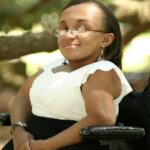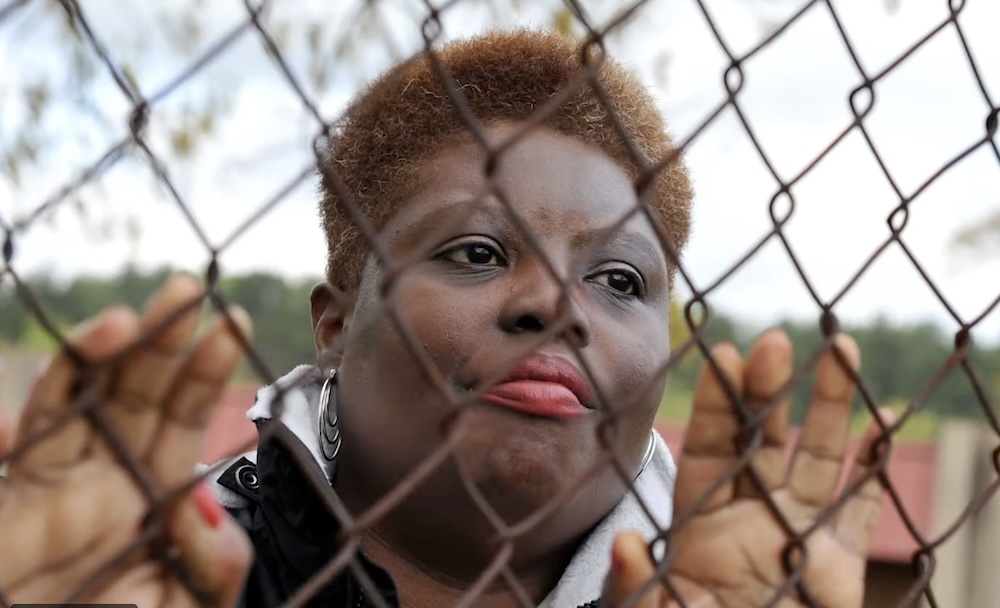
“Black disability history matters because without us putting our voices and very bodies on the line, the political and societal strides many of us take for granted would not have occurred.”
Editor’s Note: This story was originally published in 2018 here by Rewire News Group, a national, nonprofit media organization exclusively dedicated to reporting on reproductive and sexual health, rights and justice. The fight for Black disability rights continues.
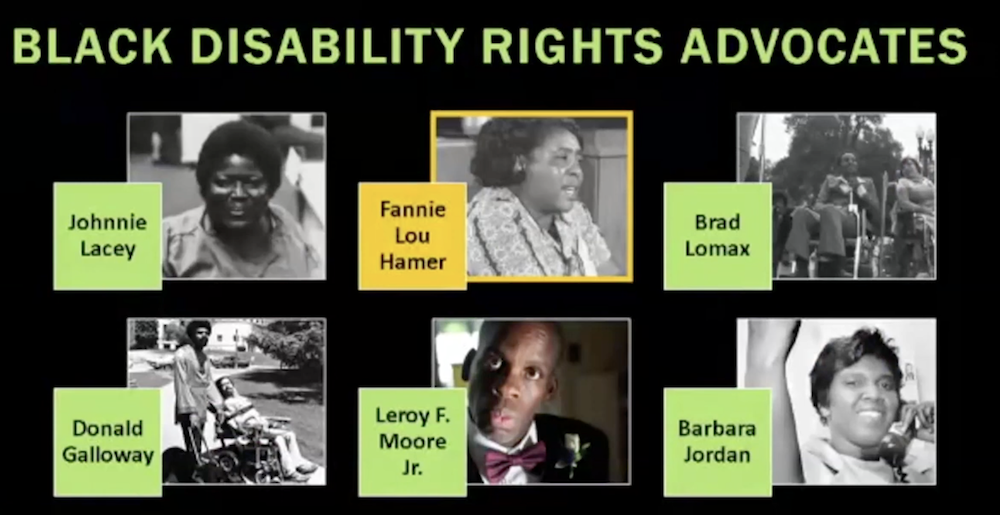
What do Harriet Tubman, Fannie Lou Hamer, and Mary Davidson have in common? They were all important Black historical figures who made incredible strides in our nation’s ongoing struggle for human and civil rights, and they were all disabled.
If you were surprised to learn that these women were disabled, you are not alone. Many Black historical figures, innovators, and activists have had their disabilities erased when their stories are taught in schools and covered during Black history and women’s history observances—by educators and advocates alike.
This erasure speaks volumes about how our society recounts stories of disabled people and the narrow lens through which stories are told, particularly those involving disability. Our history is forever incomplete if we fail to highlight and respect the identities of Black and disabled heroes and trailblazers.
On February 28, I co-hosted the #BlackDisabilityHistory Twitter chat with Imani Barbarin and Neal Carter, along with support from Alice Wong of Disability Visibility Project. We decided to do this chat because it was long overdue; our voices and experiences deserved to be heard.
The response was astounding—Black disabled people shared their truths and realities of what it means to be multiply marginalized.
Being a Black disabled millennial who minored in African-American studies in college, I did not learn that many of the pioneers I respected were disabled like me until I became a disabled activist. It baffled me that their disabilities were downplayed or eliminated altogether; those disabilities are instrumental to their complete narratives and could provide a mirror for Black disabled people to see themselves.
Within my activism work, I have made it an objective to spotlight the progress made by Black disabled people during Black History Month. Since 2015, I have highlighted the accomplishments and work of Black disabled activists. The most poignant feature occurred last year, when I shined a light on the activists who were influential to the development of the Independent Living (IL) movement in Berkeley, California. The IL movement proclaims that disabled people are entitled to the same civil rights as nondisabled people, are the experts in stating their needs, and should be in control of how they live their lives.
What resulted was a four-part series that centered around Joyce Jackson, Johnnie Lacy, Black Panther Party member Brad Lomax, and Donald Galloway. Learning of their involvement and telling their stories was my way to right the wrongs of them being reduced to a footnote within both Black history and the history of the IL movement, where the activism of disabled people of color has not been given the same attention as that of disabled white people.
Every time I learn of a new Black disabled person who created a path that has influenced our lives, I think, “How can I make others care?” Black history is about embracing the richness, resilience, and tenacity of our people. If we do not care to make an effort to empower all of us by including every aspect of Blackness in our storytelling and collective pride, it will always be short of true inclusion.
This year, I wrote a piece the day before the chat, titled “Why Black Disability History Matters.” I decided to take a different approach and ask my fellow Black disabled peers to share why our particular history is significant to recognize beyond the 28 days of February.
Heather Watkins, a writer and disabled mom, had this to say about where our history fits and why it cannot be ignored:
Black Disability History matters to me a great deal because so many of our cultural icons have had disabilities, apparent and/or non-apparent as I’ve discovered. It more than likely factored in self-awareness, decision-making, and how they governed their lives. It’s an important factor that is often downplayed or gets erased in the retelling of their stories, if/when their stories get told at all. Black disability history is part of Black history which is American history. It needs to be chronicled and respected in the same manner we archive forebears who’ve richly contributed to the tapestry of our history and held with the same gleam and esteem. I didn’t learn about many disabled Black history-makers until I was well into adulthood and involved in advocacy. I imagine how it might’ve beneficially impacted my budding adolescent self-awareness knowing disability was part of their lived experience.
“Black disability history is part of Black history which is American history.”
That line from Heather perfectly describes disability history’s significance. We as Black disabled people have always been here. We have steadfastly proclaimed our rights and humanity to the communities that chronically overlook us, and yet we still rise to do the work needed to free us all. Black disability history matters because without us putting our voices and very bodies on the line, the political and societal strides many of us take for granted would not have occurred. Our communities are forever indebted to the achievements made and the fights won by past and present Black disabled figures.
It is critical for each of us to educate ourselves on Black disability history. This March, during Women’s History Month, take the time to uplift the voices of Black disabled women and femmes who are leading the charge in their respective fields. I did this last year for my #BlackDisabledGirlMagic series, where I interviewed Black disabled activists like writer and journalist Keah Brown, activist Keri Gray, and fashion designer Kathy Woods.
Black disability history should be observed and celebrated year round. I charge everyone to learn and share one Black disabled figure in history so that our people are no longer a secret to anyone, especially to ourselves.